



Yevgenia (Eugenia) Yuvashevna Davitashvili—popularly nicknamed “Dzhuna,” “Djuna” or “Juna” was a Soviet “folk healer,” registered nurse, painter, and poet. One who eventually became the most famous “folk healer” of the Soviet Union (USSR). She would heal and diagnose people through hand-hovering, claiming to relieve heart pain and headaches, stitch wounds, treat multiple sclerosis, and even cure cancer (Sheridan, 2018).
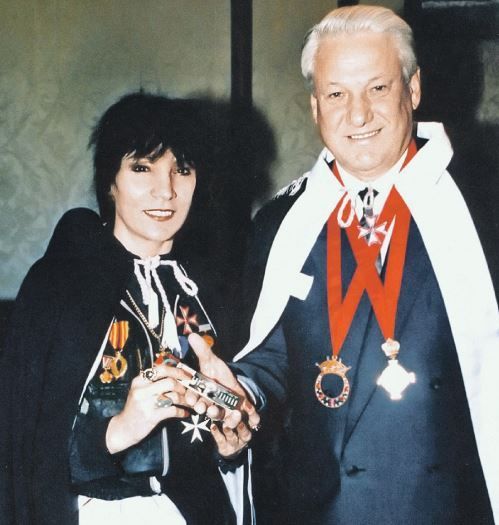
Who sought her out? Everyone from ordinary citizens, hospital patients, famous people in the Soviet and Hollywood entertainment field, top scientific scholars, and even Communist Party officials. In fact, she quite literally became, “the secret healer of the Kremlin.” No joke, she had clients in the Soviet government—from Brezhenev, the General Secretary of the Communist Party; Boris Petrovskiy, the former Health Minister; and Eduardo Shevardnadze, the Soviet top diplomat between 1985-1991 and Former President of Georgia (CIA Archives, 1982, “USSR Monthly Review”). And if that wasn’t prestige enough, after many years, she was even awarded a medal by Boris Yeltsin—Russia’s first post-Soviet Union president.
But perhaps most surprising is that she was also one of the first to have her abilities tested and tried to be explained by scientists at the most prestigious scientific institute in the Soviet Union. What they discovered may even change how we see this technique, helping ground it in the physical energy of the human organism. But let’s not get ahead of ourselves.
Before we explore that science, we must first hear the backstory. So, in this page, I’ll tell the story of Dzhuna—from her humble roots, to her rise to fame, how she ended up healing people in the Soviet government, to how she was eventually tested scientifically.
If you’re not a fan of stories, or learning about people, and the reported cases of “healing” done by Dzhuna—then you can skip to the “How Could It Work?” section. Where we dive into the Soviet scientific research of this ability, which focuses on explanatory research—trying to find the physical energy or the mechanism that makes this ability possible.
Dzhuna’s Origins
But, Dzhuna wasn’t born knowing how to heal people—like everyone else, she learned how. In fact, her journey to began with her great-grandmother—in the little village where Dzhuna grew up….
Grandmother’s “Folk Healing” Village Tradition
As a child, Dzhuna lived in a small village in Tbilisi (Tiflis), the capital of Georgia—with only 48 houses. This wasn’t your regular town. It was ethnically Assyrian—the people there believed in Assyrian-Babylonian gods of ancient Mesopotamia. They also believed in what they called sorcerers, witches (“shiddas”) and house spirits—and perhaps for good reason.
In these obscure villages, there was a long tradition of folk healers. They were often old men and women, with psychic abilities like clairvoyance, and deep knowledge of hands-on and other alternative healing practices—sometimes passed down for generations (Ebon, 1938).
Oddly enough, these individuals were common. In fact, the Georgian Soviet Republic even allowed these “folk healers” to apply for an official license. Once they received it, they could also charge money for their services (Shevtsova, 2021).
One of these individuals was Dzhuna’s great grandmother, who treated illnesses with the touch of her palms and herbs, and lived to be over 100 years old (Moody, 1982). “How many diseases could my great-grandmother cure?” Dhuzna asks rhetorically (Bibliotekar). “No one could answer this question….” In fact, it was by watching her great-grandmother do her thing, that Dzhuna first learned how to do the “healing touch.”
She recalls fuzzy memories of her great-grandmother making some odd movements with her hand as she attended her clients. Little Dzhuna would just stand there, in the corner, silently watching. Like all children, she tried to copy her elders, waiting for a moment when she was alone, to move her little hands in similar ways, trying to repeat what she saw her grandmother doing. Dzhuna remembers it like this:
“My great-grandmother appears before me through the haze of memory. Here she makes some movements with her hands, strokes, whispers something, and then she takes a twig in her hands and makes circular movements with this twig over the patient and again whispers something. These vivid images are etched in my memory. As a child, playing, I tried to repeat her movements, whispering or singing something of my own, born in my imagination.” — Dzhuna (Bibliotekar)
Dzhuna’s Secret Identity — A Hand Healer Masquerading as A Massage Therapist
So, Dzhuna would follow in her great grandmother's footsteps—carrying on the “folk-healing” tradition of her family. She left home at 14 years old and eventually became a massage therapist for hospital patients. Using her grandmother’s healing palms technique during their hospital massages in order to “learn my technique, to see what people responded to” (Moody, 1982).
She said she laid her hands close to a patient, moving them around their body—like a contactless massage. Through this she was claimed to be able to diagnose and cure patients. Using the sensation in her fingertips, such as warmth, cold, or tingling—she also learned to identify the nature and severity of the illnesses (Shevtsova, 2021).
“When I pass my hands along the patient's body, I can tell at once which organs of the body are diseased. Various diseases cause different sensations in my hands, such as prickling, warmth, or other sensations not easy to define." — Dzhuna (Ebon, 1938)
Although, she apparently also uses telepathy as well, as she claims she’s able to tune into the patient’s internal bodily signals and feel their pain. This is very similar to what we’ve discussed previously in the chapter on telepathic transmissions.
“When I treat someone I am able to experience their disease. I begin to feel the pain myself and I receive a special signal from where the pain is.” — Dzhuna (Carpenter, 1995)
During these “contactless massages,” Dzhuna says the patient's illnesses, like arthritis, neuralgia, and sciatica—disappeared. During her time there, she recalls treating as many as 100 hundred patients per day, dealing with cases of stomach ulcers, duodenal ulcers, esophageal ulcers, and adenoma of the prostate gland (Ebon, 1938).
“All the time I was giving a massage, I was also learning to cure,” Dzhuna recalled (Moody, 1982). This part of her story makes it seem almost as if she had a secret superhero identity. A “folk healer” masquerading as a hospital massage therapist. She couldn’t have picked a better job! But still, it wasn’t enough for her. She wanted to do this for real. So, she went on to get her certificate in nursing at People’s University, in Tbilisi (Ebon, 1938).
Nursing Degree and Healing Journey Expands
When Dzhuna was studying at the People’s University for nursing, her teachers couldn’t accept that she could treat patients without any medication (Bibliotekar). During her state nurse exam, she would have to do real-time treating of a patient. For her, this was stitching a wound that was cut open. She remembers the professors mockingly telling her, “Do you want to get a diploma for stitching a wound without a needle or bandage?”
She almost left the exam after these passive-aggressive remarks. But then, suddenly, she heard her Father’s comforting voice, who had always believed in her abilities as a child. “Dzhuna, glue it, glue it,” she heard in her mind. This gave her the courage to try and stitch the patient’s wound, not with a needle—but with her sole intention. She first pressed the edges of the patient’s wound together, then whispered to herself, “They are glued, glued, glued…” as if casting some healing spell.
Dzhuna doesn’t remember how long she did this, but some time later—she says the edges stuck together. The entire commission, present at the state exam reportedly witnessed this seemingly paranormal feat, and she was handed her diploma. Despite the initial skepticism, she graduated from the Faculty of Health of the People’s University, as a registered nurse.
But once again Dzhuna couldn’t stay in one place for too long. She moved to a larger city, where she could help more people.
Healing Many People Including Celebrities
Dzhuna moved to the larger city of Moscow, the capital of the USSR where she began working at a healthcare facility for railway workers (Ebon, 1938). While there, she started treating patients using her “contactless massage” technique. Many people came to see her, and the word even began to spread.
During her rise to fame, over 4,000 letters from her patients were sent to Soviet Newspaper, Komsomolskaya Pravda, after they published their article on Dzhuna (Chazanov, 1982). They all vouched that she could really do this, and told their stories of how they believe that she truly healed them (Bibliotekar) (Ebon, 1938).
“I had a rectal ulcer. I was treated at the Institute of Proctology in Moscow and other cities. In Tbilisi, I was recommended surgery twice. I got to Dzhuna. After the second course of treatment, the pain stopped. There were fifteen sessions in total. I feel great.” — K. Tegiz
“In 1977, I was diagnosed with a tumor. Headaches even caused cardiac arrest. I suffered from angina and serious hypertensive crises. They suggested an operation. The risk was high, and I did not dare to do it. I turned to Dzhuna. After her treatment, I only have headaches when I am very tired. Now I do not feel any pain in my heart at all.” — A. Zavidowskaya.
“After the second session I felt good. The cardiogram became stable. The heart works strongly and confidently. Now I can run and walk quickly...But I am also here to study Juna's achievements. We heard about them in Holland, and I have read a lot about them in the scientific literature. Juna is well known both in Europe and in the USA. I have seen her working with patients several times and was amazed by the range and complexity of her techniques. I have also talked to some patients and doctors. And I have come to the conclusion that her treatment is equal to a real and effective medicine. I know that she saves lives with the most severe cases of diseases.” — James Differs (Dutch physician, Professor)
The word of her spread further, and soon, she began healing celebrities! One of them was Arkady Raikin, a Soviet stand-up comedian, who was so popular in the USSR that he was called the Soviet “Charlie Chaplin.” But, later on in his life, due to heart problems and Parkinson’s disease, he became disabled. He had to walk on crutches and needed help to move around. Arkdady thought he’d never walk on stage again. Frustrated, he went to visit Dzhuna for some healing sessions. This is how he recalls the experience:
“I felt much better. After the very first session! And the session lasted no more than 15-20 minutes. I simply did not recognize myself, my body. I began to feel great. Before, the pain in my heart did not leave me, but then it disappeared. I stopped feeling my heart... And with each session, I felt better and better. Juna conducted 13 sessions. And I, the person who left the sanatorium on crutches, was unrecognizable. Unfortunately, the doctors could not help me... I bless her. She is a wonderful healer. What she does is amazing.” — Arkady Raikin (Soviet Stand-up Comedian) (Bibliotekar)
Incredibly, through her healing, he appeared a few more times on stage for stand-up comedy at the later stages of his life, before passing away a couple years later, at the age of 76. There were rumors of other famous clients too. Like the American movie star Robert de Niro, Italian film director and screenwriter Federico Fellin (directed “La Dolce Vita”), and Soviet film director and film writer Andrei Tarkovsky. As for all her “famous clients,” she reportedly worked with everything from painters, poets, movie makers, and actors (Ghallager, 1980) (Bibliotekar). She also reportedly charged $375 (~$1,500 today) for a single healing session, and accepted patients by referral (Ghallager, 1980).
During these sessions, the true nature of her healing may have shown forth. Many patients recall that her “healing touch,” often left burn-marks on their skin. As if her hands were emitting some form of heat or radiation. This was reported several times in the patients treated for headaches.
“She puts her fingers against my face for several minutes. When she stopped, I seemed to be sunburned where her fingers had been.” — Anonymous Artist (Ghallager, 1980)
"My headache disappeared, but there were burn marks, like sunburn, where her fingers had touched my face.” — Anonymous Patient (Ebon, 1938)
The Soviet philosopher and psychologist, Alexander Spirkin, attested to witnessing physical signs of her healing too. He claims she healed a skin ulcer, an open sore on the skin that develops when a wound doesn't heal properly—in only 15 minutes. After which, he could visibly see that the skin tissue had formed.
“Over the next 5 minutes, a light, rose-colored spot appeared, attesting to the formation of skin tissue.” — Alexander Spirkin (Soviet Stand-up Comedian) (Ghallager, 1980)
By the end of the 1970s, as a result of her working in a large city and healing celebrities, Dzhuna became the most sought-after, expensive, and influential “folk healer” in the USSR. It was in this light that the Soviet government soon sought out her services too. When she was hired to heal the most powerful man in the Soviet government. Leonid Brezhnev, the General Secretary of the Central Committee of the Communist Party of the Soviet Union (CPSU).
Below is the story of Leonid Brezhnev, his health problems, and how Dzhuna helped him. It ends with the USSR government commanding the top scientific institute—the Institute of Radioengineering and Electronics (IRE), to uncover the physical energy behind Dzhuna’s healing abilities. Once again, if you’re not a fan of stories, or learning about people, then you can skip to the “How Could It Work?” section. There, we dive into the actual scientific explanatory research trying to find the physical energy or the mechanism that makes this ability possible.
The Most Powerful Man in USSR Government Seeks Dzhuna
Leonid Brezhnev was a Soviet politician who was the General Secretary of the Central Committee of the Communist Party of the Soviet Union (CPSU) (May, Rubel, McMoneagle, 2014). This may sound like an unimportant role. A secretary? To me, this sounds like the person who handles the bosses meetings, and brings them a cappuccino. But this is not what this role is in the USSR. The General Secretary of the Central Committee of the CPSU, is literally the most powerful position in the Soviet Union. Whoever holds it is often considered “the leader” of the entire country.
Why so? Well, because even though there is a Soviet president, it is the General Secretary who controls the Communist Party, which in turn, controls the Soviet government. For example, Joseph Stalin, the infamous totalitarian dictator of the Soviet Union, did not have the role of “president,” but the “General Secretary of the CPSU”! Joseph Stalin also held the position for a whopping 30-years (from 1922 to 1952), the longest duration ever. While Brezhnev held it 18 years (from 1964 to 1982), second only to Stalin.
In summary, you can think of this role like the position of “president” in most other countries.
Okay, but what about Brezhnev himself? Apart from his powerful position, was he an influential or important leader for the history of the world and the Soviet Union? Well, arguably, very much so. During his time in power, several key changes occurred:
•
Military and Nuclear Arms Build-up: He presided over a massive buildup in the Soviet’s nuclear arsenal, that put the USSR on par with the US at the end of 1960s—intensifying the “nuclear-arms race” (Steele, 1983) (Fiveable). As a result, the USSR was even seen, by some, as the world's strongest military power in the 1970s (Fiveable).
•
“Detente” between East and West during the Cold War – He was part of a period in the Cold War which had more open communication, less overt aggression, and general release of tension between the US, the USSR, and their allies. This was known as “Détente,” a French word meaning "loosening,” signifying release in tension (Etymonline). This period lasted from about 1969 to 1979, but don’t get it twisted, the Cold War did not end during this period (Office of the Historian). This was just a time of less Cold-War tension. A few examples of this:
1.
There were four meetings with American presidents, which showed a level of dialogue and cooperation that had never occurred before (eg., Brezhnev met with US Presidents Richard Nixon, Jimmy Carter, and Gerald Ford) (Steele, 1983).
2.
There was an accord between a total 35 nations (including US, UK, Canada, USSR, and almost all European countries), which promoted cooperation and recognized human rights (“The Helsinki Accords”) (University of Washington).
3.
4.
As a result of the USSR significantly increasing its nuclear arsenal, there was a series of anti-nuclear war negotiations between the US and USSR,, where both agreed to limit the production and deployment of nuclear weapons in order to avoid nuclear war (“Strategic Arms Limitation Talks/Treaty or SALT - I and II”) (Alphahistory) (Office of the Historian).
•
Era of Stagnation – He was partly responsible for a period of economic, social and political decline in the USSR, known as the “Era of Stagnation.” During this period, the Soviet economy fell behind the Wests’. This period lasted from about 1964 (when Brezhnev was elected) to 1985 (three years after his death).
Okay, I think you get it now. This is clearly an important dude. This is why it’s quite incredible that he apparently sought out the services of Dzhuna the “folk healer.” So, how did that all begin? Well, like most people seeking her out, it started with a decline in his health…..
Brezhev’s Bad Health
In December 1974, everyone speculated that Brezhnev was very ill. There were several events that made people in the Soviet Union and abroad think there was something clearly wrong with the most powerful man in the Soviet Union.
It all began in 1974, when Brezhnev suddenly “indefinitely postponed his visits to Egypt, Syria, and Iraq” (Wren, 1974). Several newspapers reported that Breznev's health was “the main reason” for postponing his trips. They claimed that he was “confined to bed” in a special hospital offering long-term medical treatment, known as a “sanatorium” (Rocky Mountain News, 1975).
There were other things that made people suspicious too. For example, when not confined to the hospital and giving speeches, he would read verbatim from a prepared note, and often slurred his words and moved sluggishly (Steele, 1983). On another occasion, after a 7-hour meeting with US President Ford, he slept in the next day. This may be normal for us regular citizens, but it's quite strange behavior for the leader of a nation.
Of course, as often happens with famous or powerful people, wild claims were thrown around as explanations for his “ill health” and weird behavior. Speculative journalists in newspapers claimed that he may have had everything from infected teeth, influenza, pneumonia, to Leukemia (a type of cancer) (Steele, 1983) (Time Magazine, 1975).
Heck, even a declassified CIA report from 1975, “Brezhnev's Position” reported on Brezhnev’s health, and had their own speculations (CIA Archives, 1975). They knew that he had entered “a hospital on the 26th” 1974, based on open sources. And speculated that he “could have suffered mild heart failure,” or “may have been suffering from the flu,” but that there was “no evidence of . . Leukemia.”
Okay so what was truly going on with the leader of the Soviet Union? Were his teeth really rotting? Did he really not have any cancer?
Well, the truth was revealed in a much later interview with the Attending Doctor of Brezhnev, from 1975 to 1982, known as with Mikhail Kosarev. He revealed the reason behind his stay in the hospital, and the other reasons for his strange behaviors (Korobov, 2002).
Apparently, since 1974, Brezhnev had been suffering one of the most common types of heart disease, which is also one of the leading causes of death in the world (Brown, Gerhardt, Kwon, 2023) (World Health Organization, 2024) (Altman, 1982). It’s called “coronary artery disease” (CAD), a condition where the arteries supplying blood to the heart become narrowed or blocked due to plaque buildup—which restricts blood flow, potentially leading to chest pain, shortness of breath, and in severe cases, heart attack or heart failure (Henry Ford Health Staff, 2022) (MedlinePlus, 2025). And this was the reason why he was admitted into the special hospital for long-term care that year!
Apart from this, it also didn’t help that he was almost 70 years old, a heavy smoker, slightly obese, and addicted to drugs like tranquilizers and sleeping pills (Altman, 1982).
His doctor said he literally could “no longer live without pills,” and secretly took his sleeping pills during the day. He said Brezhnev wanted to take his pills and “sleep all the time.” So much so that his doctors had to accompany him to events to keep an eye on him in order to prevent this. But, Brezhnev wasn’t having it. During one trip, he even made a note in his security guard’s journal, which read: “If the doctors come to wake me up, use my service weapon.”
This sleeping pill addiction explains some other odd behaviors too. It’s the reason why he slept sleeping in after meetings… the tranquilizers or sedatives he took were also the reason behind him slurring his words during speeches and oftentimes looking sluggish. Since they apparently caused “muscle weakness” and can affect one’s ability to speak. As the doctor put it, Brezhnev weird behaviors weren’t because he was very “sick.” They were because he was a bit too “relaxed.”
Dzhuna Helps Brezhnev
In 1980, Brezhnev or his doctors apparently sought out the services of Dzhuna, likely for her to alleviate his chest pain, due to his heart-disease. Dzhuna was sent to Moscow, she did her hand-healing, and Brezhnev seemed to feel better (May, Rubel, McMoneagle, 2014).
“The most unusual health care service available to Soviet VIPs is provided by a 33-year-old "Assyrian" faith healer (a native of the Georgian SSR) named Yevgeniya (Dzhuna) Davitashvili. Rumors abound concerning the healing abilities of this woman, and despite increasing official unease, her clientele continues to grow; it may even have include General Secretary Brezhnev and former Health Minister Boris Petrovskiy.” — Declassified CIA Document (”USSR Monthly Review”)
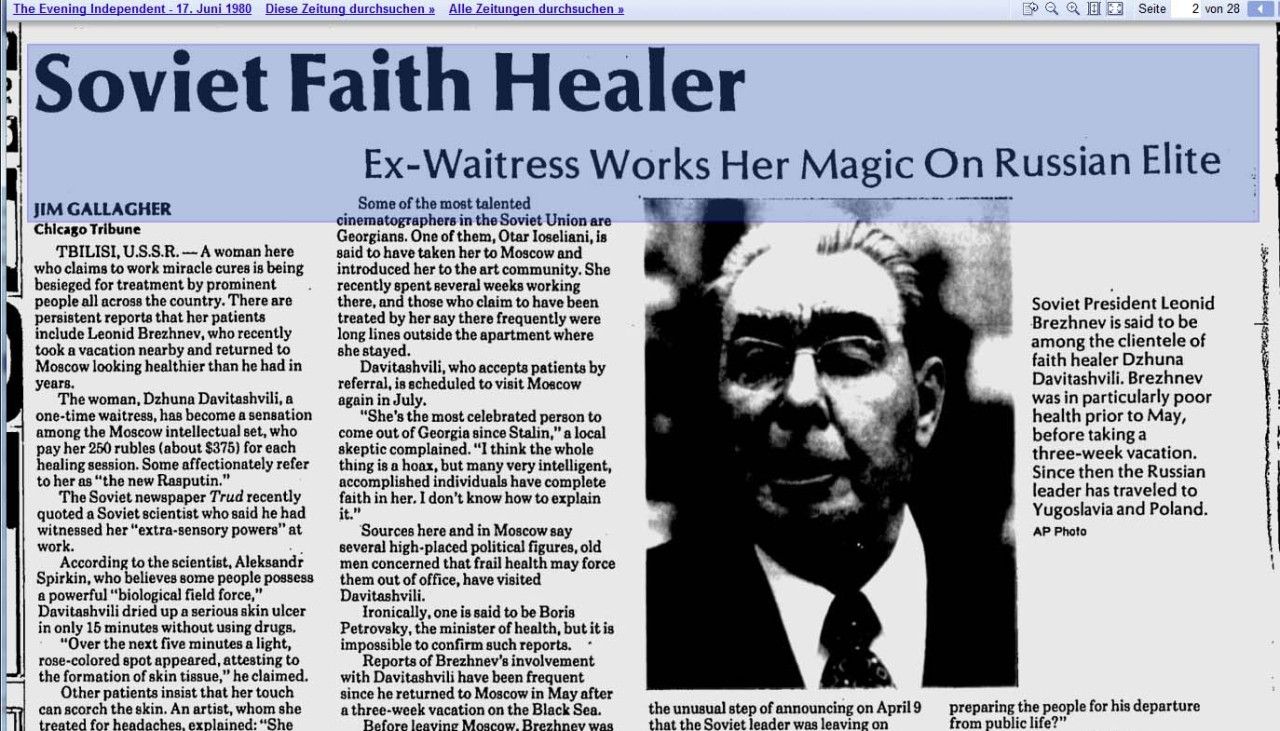
A Chicago Tribune article from June 1980, claims that after Dzhuna’s reported healing, Brezhnev returned from vacation “looking healthier than he had in years” (Ghallager, 1980). Rather than missing events, he had an incredibly busy schedule—traveling to a funeral in Yugoslavia, to meeting with Warsaw Pact leaders in Warsaw, and later to a talk with the French president Valery Giscard d’Estaing. Whatever Dzhuna did, at the very least, seemed to improve his mood and appearance (Moody, 1982).
“Popular press articles in the USSR have on several occasions described Party Chairman Brezhnev's affiliation with a healer, Dzhuna Davitashvili. Other Party members have also made favorable comments regarding healers, and high officials from the Soviet State Planning Committee (GOSPLAN) have also acknowledged their interest and participation with healers.” — Declassified CIA Document (”Defense Technical Report,” p. 11)
Ultimately though, Brezhnev died in November 1982, from “acute heart failure,” likely due to both his heart disease and his 75 years of age (Steele, 1983) (Korobov, 2002). So, even though Dzhuna did not “save him,” she may have made him feel better during the last 3 years of his life, likely by alleviating his pain.
This, at least in part, led to the government seeking to uncover the mystery behind her abilities. A command came from the top leader in the Soviet Union, to the highest scientific institute in the USSR, which asked them to uncover the physical energy behind Dzhunas’ apparent healing….
Below is the story of the USSR government commanding the top scientific institute—the Institute of Radioengineering and Electronics (IRE) to uncover the physical energy behind Dzhuna’s healing abilities, and the research program that scientists divised to carry out their secret task.
1. The Institute of Radioengineering and Electronics (IRE) Secret Government Mission: Uncover The Energy Behind Mysterious “Healing Touch”
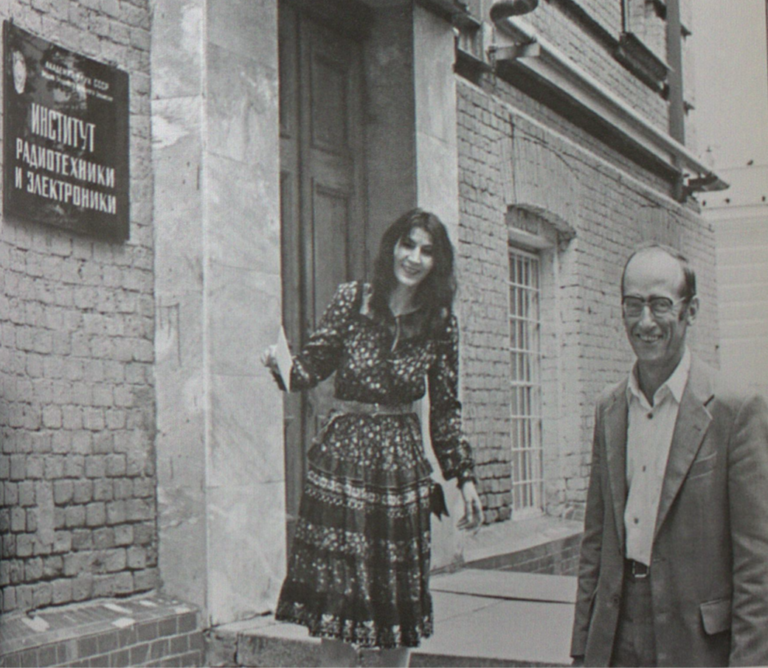
In autumn of 1981, a group of government ministers and top Soviet scientists gathered in an office at the Institute of Radio Engineering and Electronics (IRE), the head institute of the Soviet Academy of Sciences, the leading scientific organization in the USSR (FIAN-inform, 2012) (Godik, 2010). This was no ordinary meeting. A secret order had come down from the Central Committee of the Communist Party to find out what lay behind the mysterious healing abilities of Dzhuna, the Kremlin’s “folk healer” (click here to read her full story).
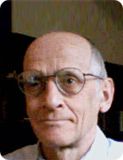
Among the scientists present was Yuri Gulayev, Deputy Director of IRE, physicist and inventor. He specialized in the fields of solid state physics, radiophysics, electronics, and computer sciences (CIA Archives [Harary and Targ], 2000, p. 82) (May, Rubel, McMoneagle, 2014, p. 159) (Shevtsova, 2021). He was also one of the founders of several entirely new fields of science: acousto-electronics, acousto-optics, and spin-wave electronics (IRE RAS). Gulayev held over 100 patents and had authored more than 700 scientific papers (IRE, 1996-2025). His discoveries and patents are actually used in every TV and mobile phone in the world today. The man was a scientist of global stature, having been nominated for the Nobel Prize over 10 times, and holding many international and Soviet awards (May, Rubel, McMoneagle, 2014, p. 159).
Alongside him was his friend, Eduard Godik—an experimental physicist and associate at IRE (Shevtsova, 2021). Although not as renowned as Gulayev—Godik was also quite the scientist. He held a Ph.D. in physics and mathematical sciences, and was currently working with registration of weak infrared emissions (May, Rubel, McMoneagle, 2014, p. 159) (Godik, 2010).
While they sat in the office, the government ministers gave them their secret assignment, straight from the Central Committee of the Communist Party of the Soviet Union (CPSU). They told the scientists to:

Determine the mechanism behind Dzhuna’s ability to both heal and gain information about a patient’s internal condition at a short distance (FIAN-inform, 2012) (May, Rubel, McMoneagle, 2014, p. 159) (Shevtsova, 2021) (Godik, 2010).
In other words, to explain how, by simply hovering her hands above the patient’s body, she’s seemingly able to diagnose their illness, and heal it, or at the very least, alleviate it. Effectively answering the question: how could healing and diagnosing through laying of the hands possibly work?
“They suggested starting a serious Program for investigation of ‘the biological field’ in collaboration with Dzhuna. It was to uncover the mechanism via which psychics (and ordinary people) got information about a patient touch-free, and how they heal.” — Eduard Godik (Godik, 2010)
The government backed the institute with a considerable amount of money to conduct a research program into this: 1 million dollars and 10 million rubles (Shevtsova, 2021). A new parapsychology laboratory was formed at IRE, with Godik as its director (May, Rubel, McMoneagle, 2014, p. 160).
Gulayev was appointed the head of this entire research program, but he told his friend Godik to organize and conduct it (May, Rubel, McMoneagle, 2014, p. 159). Godik, given the freedom to design the research program, got to work immediately—the weekend after the meeting (Godik, 2010).
Designing the Research Program: A Physicist's Approach to the Paranormal
Eduard Godik was skeptical initially. After all, he was a physicist. So, talk of “psychics,” “healing,” or “biological energy fields” gave off a stench of “pseudoscience” to him.
“I was in doubt in the beginning . . These pseudo-scientific definitions: biological fields, psychics, etc—looked ugly to me.” — Eduard Godik (Godik, 2010)
At first, he didn’t even think a proper scientific research program could be conducted. But then, he got to thinking, like—really thinking…..
The Hypothesis: Physical Fields & Radiation That Could Explain It
Godik’s scientific instincts took over. He thought: If any of the reported “healing,” or “diagnosing” effects were real, then they had a physical basis (Shevtsova, 2021). They had to be explained by known fields of physics—electromagnetic, magnetic, and electric. This was a modest, materialistic assumption, which could actually be scientifically tested.
“I did think about the fact that physical fields and radiation from biological objects could be carriers of physiological information” — Eduard Godik (FIAN-inform, 2012)
Using his background in physics, Godik came up with 4 potential channels of physical fields and electromagnetic (EM) radiation already present in biological organisms—which might account for the healing and diagnosing effects (Godik, 2010) (FIAN-inform, 2012).
Channel | Source in the Body | What It Reveals About Physiology (per Godik) |
1. Electric and magnetic fields. | Bioelectric sources in the brain, heart, nerves, muscles. | Electrical activity of these organs (e.g., nerve signaling, heart rhythm, muscle function). |
2. Infrared (IR) radiation. | Heat (infrared radiation) emitted by the skin via blood flow. | Functional dynamics of blood circulation in the skin, thermoregulation (body temperature control). |
3. Radio-thermal and acoustic-thermal radiation. | Internal metabolic processes, temperature dynamics. | Temperature and metabolic activity of internal organs and muscles, blood flow patterns. |
4. Chemiluminescence. | Light emitted by chemical reactions in tissues. | Tissue oxygenation levels, antioxidant activity, markers of oxidative stress. |
These, he reasoned, might carry the “signals” transmitting information (diagnosis) and healing effects at a distance. Now, all he had to do was find out how they could be detected. After all, he had to test this hypothesis with experiments, and in order to do that you have to be able to observe the phenomena in question!
The Method: Mapping the Body’s Hidden Energies and Processes
To observe these channels, Godik turned to technologies his institute had long used — but for far bigger scales.
The Soviet IRE, under Academician V.A. Kotelnikov had pioneered something called “passive remote sensing,” to study the Earth’s oceans, land, and atmosphere (FIAN-inform, 2012) (Godik, 2010). These methods relied on sensors mounted on aircraft in the sky or satellites in space, that passively detected natural electromagnetic radiation emitted or reflected by the Earth — such as infrared (heat), visible light, microwave radiation, and other bands of the EM spectrum. This allowed Soviet scientists to map ocean temperatures, track storms, or monitor land conditions.
“Before this, they looked everywhere with these methods - into space from Earth and from space to Earth - but they never got to the main object in this world, Man." — Edward Godik (FIAN-inform, 2012).

Godik basically realized something profound: If we can map the natural e-radiation of oceans and land from space, why not apply the same principle to map the e-radiation of the human body?
This approach was twofold:
1.
Use various detectors to measure the types of electromagnetic radiation (heat or infrared, visible light, radio-thermal), electric and magnetic fields, and other signals (like acoustic-termal) – emitted by the human body (Sreda, N/A).
2.
Use computers to integrate these signals into a dynamic digital model—an animated map showing the body’s functional and energetic processes in real time (Godik, 2010) (FIAN-inform, 2012).
In short, his plan was to build an array of detectors that could capture the body’s natural fields and emissions — and combine these into a digital, dynamic real-time map. It would be, in effect, like creating a satellite image of the body’s inner workings — revealing its hidden energetic landscape.
The Research Goal: Map The Biological Energy Field
The goal of the program was therefore to measure and visualize the 4 potential channels of physical fields and electromagnetic radiation emissions emitted by the human organism—all of which could carry the patient’s information (diagnosis) and the healing effects at a short distance (Godik, 2010). This mapping would allow them to observe these biological fields and electromagnetic radiation under normal conditions, and under those of healing—to see if they might play a role.
Godik called this entire research program: “Physical Fields and E-Radiation of the Human Organism” (Godik, 2010).
Team and Experiments Begin
To help carry out this program, they selected young physicists from the Moscow Institute of Physics and Technology (MIPT)—the Soviet counterpart of the prestigious Massachusetts Institute of Technology (MIT) in the United States (May, Rubel, McMoneagle, 2014, p. 160) (Shevtsova, 2021). They were divided into 4 groups, each measuring one of the proposed channels (FIAN-inform, 2012).
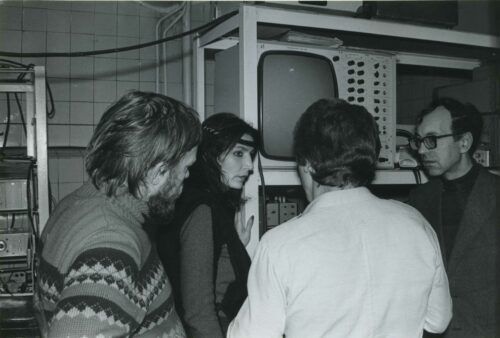
The experimental work began in September 1983 and continued into 1985. During this time, Dzhuna was hired as senior research fellow at IRE, coming into the lab once a week as the main research subject. Although, other “psychics” took part in these experiments too. Heck, even the scientists and MPIT graduates measured their own biological energy fields and radiation emissions! (Sreda, N/A)
Now, the question is—what did they discover?